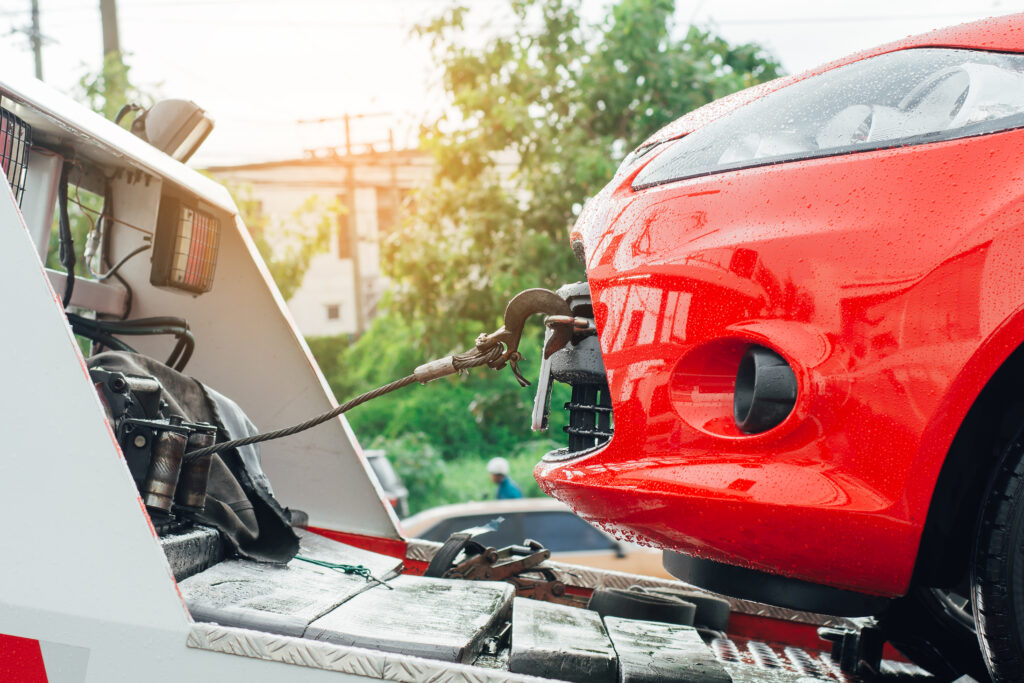
Emergency Towing: What’s Considered an Urgent Situation?
Sometimes a simple tow just won’t cut it—your car needs help right away. Emergency towing kicks in when your safety or others’ safety is at risk. Here’s how to know when a tow is urgent and what to expect.
When Is a Tow “Emergency”?
After a Crash
If you’re blocking traffic or your car is unsafe to drive.
Vehicle Fire or Smoke
Any sign of flames or heavy smoke means call an emergency tow now.
Stuck in Dangerous Spot
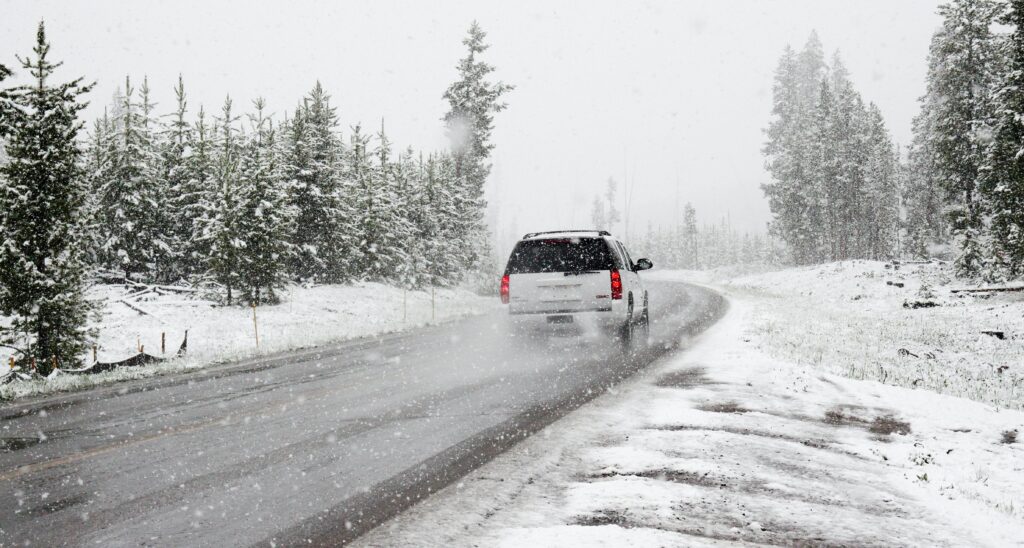
Stranded on a busy highway, sharp curve, or flooded road.
Medical Emergency
Need to get your vehicle—and yourself—safely off the road so you can seek help.
Hazardous Fluid Leaks
Oil, fuel, or coolant spilling onto traffic lanes or near an ignition source.
What Makes Emergency Towing Different?
- Faster Response: Tow trucks with “emergency” status aim to arrive in 10–15 minutes.
- Special Equipment: They carry winches, booms, and heavy-duty straps for tricky recoveries.
- Higher Priority: Dispatchers handle your call before non-urgent tows.
How to Request Emergency Towing
Stay Safe First
Turn on hazards and move off the road if you can.
Call Clearly
Say, “This is an emergency towing request.”
Give location, vehicle type, and the dangerous issue (fire, crash, flood).
Follow Dispatcher Instructions
They may advise turning off your engine, exiting the car, or waiting inside.
Costs and Insurance
- Emergency rates are higher than standard tow fees.
- Roadside assistance plans sometimes include emergency tows—check your membership details.
- Insurance may cover part of the cost if you have emergency roadside benefit.
✅ Stay Prepared
- Save emergency tow numbers in your phone.
- Join a roadside club to reduce surprise fees.
- Keep a small safety kit: flashlight, reflective vest, and warning triangles
Not every tow is an emergency—learn when it is. For related guidance, check “Top Reasons Cars Break Down on the Road” and “Towing vs. Roadside Assistance: What’s the Difference?”