The Dangers of DIY Towing
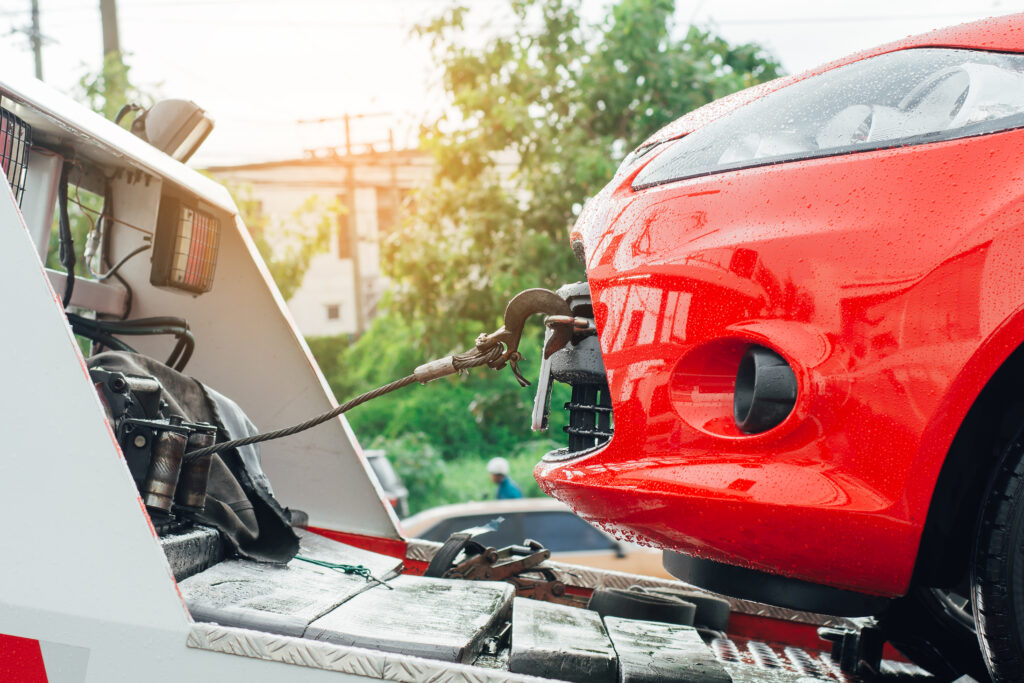
Towing your own vehicle might sound like a money-saver, but it carries serious risks. From equipment failures to safety hazards, DIY towing can lead to costly damage or even injury. In this article, you’ll learn why calling a professional tow service is almost always the safer choice.
What Is DIY Towing?
DIY towing means hooking up your car, truck, or trailer by yourself—often using a rope, chain, or basic tow bar. You might borrow equipment, watch an online video, and give it a try on your own.
Key Risks of DIY Towing
Improper Equipment
Most ropes or chains aren’t rated for vehicle weight.
Cheap tow straps can snap under stress.
A broken strap can whip back and damage both vehicles—or hurt bystanders.
Vehicle Damage
Hooking up wrong can bend the frame or damage the bumper.
Without proper hitch gear, wiring systems (like lights and brakes) may get pulled or torn.
Uneven towing can strain transmissions, especially on automatic cars.
Loss of Control
Your steering and brakes behave differently when you’re pulling another vehicle.
A sudden stop by the towed car can jerk the driver’s car, risking a crash.
No one is guiding from the back, so blind spots and lane changes become very risky.
Legal and Insurance Problems
Many states require vehicles to meet specific towing standards.
If you cause an accident while DIY towing, insurance may deny your claim.
You could face fines for illegal towing setups or lack of proper lights and signals.
Personal Injury
A snapped cable can snap back like a whip and injure anyone nearby.
Climbing between vehicles on a busy road is dangerous without proper safety gear.
Pushing, pulling, or lifting heavy equipment can cause back injuries.
When to Call a Professional Tow Service
- You’re unsure about weight limits or hitch types.
- Your vehicle is front-wheel drive; many DIY methods damage transmissions.
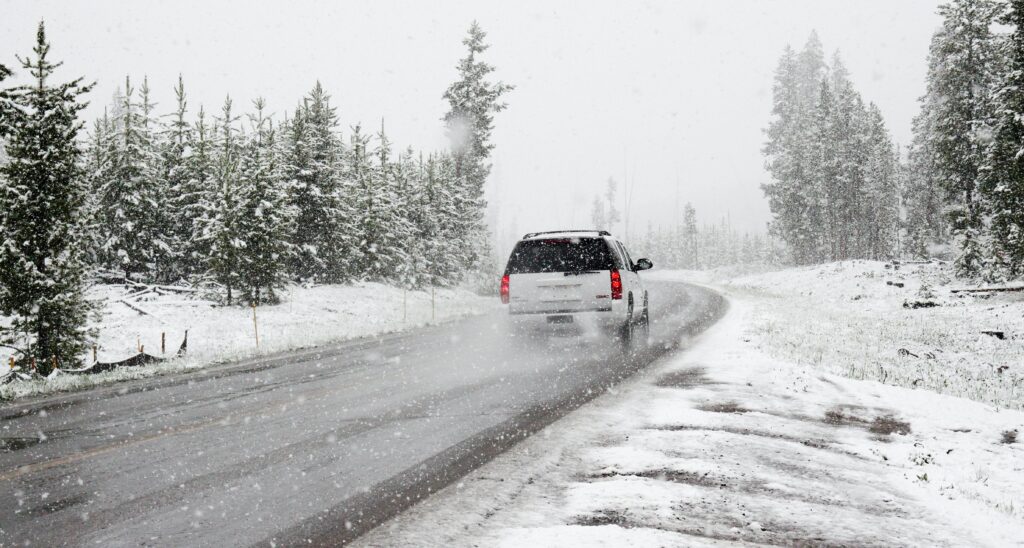
- Visibility is poor (night, rain, or busy roads).
- You lack proper safety gear, like gloves, reflective vests, or wheel chocks.
- You need reliable arrival times—professionals often arrive in 20–30 minutes.
How Pros Keep You Safe
- Right equipment: Flatbed trucks, wheel-lift rigs, and safety chains rated for your vehicle.
- Trained drivers: Know state laws, weight limits, and proper hookup methods.
- Full insurance: Covers damage in case of an accident during towing.
- Roadside support: Many companies offer fuel delivery, jump starts, and lock-out help—so one call solves multiple problems.
✅ Final Reminder
DIY towing might seem like a shortcut, but the dangers of DIY towing far outweigh any savings. A professional tow ensures your vehicle and everyone on the road stays safe.
Attempting your own tow can lead to bigger problems. To explore safer options, try “Understanding Light-Duty vs. Heavy-Duty Towing” and “When Should You Call a Tow Truck? 7 Clear Signs.”