What to Do if Your Car Won’t Start
A car that won’t start can be scary—especially when you’re in a hurry. Don’t panic. Follow these simple steps to figure out what’s wrong and get moving again.
1. Turn the Key and Listen
- Nothing happens? The battery may be dead.
- Clicking sound? The starter isn’t getting enough power.
- Engine cranks slowly? Low battery or bad connections.
Pay attention to the sounds—that clue helps you and your tow provider.
2. Check Your Battery Connections
Open the hood and look at the battery terminals:
- Are they loose? Tighten gently with a wrench.
- Are they corroded (white or greenish buildup)? Clean with a wire brush and a mix of baking soda and water.
If your terminals still look bad, a jumpstart might help.
3. Try a Jumpstart (If You Know How)
- Park a good car close—bumpers not touching.
- Attach red clamp to positive (+) on dead battery, then red on good battery.
- Attach black clamp to negative (–) on good battery, then metal part of stalled car (not on its battery).
- Start the good car, wait two minutes, then try your car.
If it starts, let your engine run 10 minutes to recharge. If not, it’s time to call for help.
4. Check Fuel Level
It happens: the gauge can lie or you misread it.
- Is there enough gas?
- If it’s empty, add fuel and try again.
Running out of gas won’t damage your engine—just keep a small reserve next time.
5. Inspect Fuses and Lights
- Does your dash light up when you turn the key?
- A blown fuse can cut power to the ignition.
- Consult your owner’s manual, find the fuse box, and swap a suspect fuse with one of the same rating.
6. Call a Tow Truck if Needed
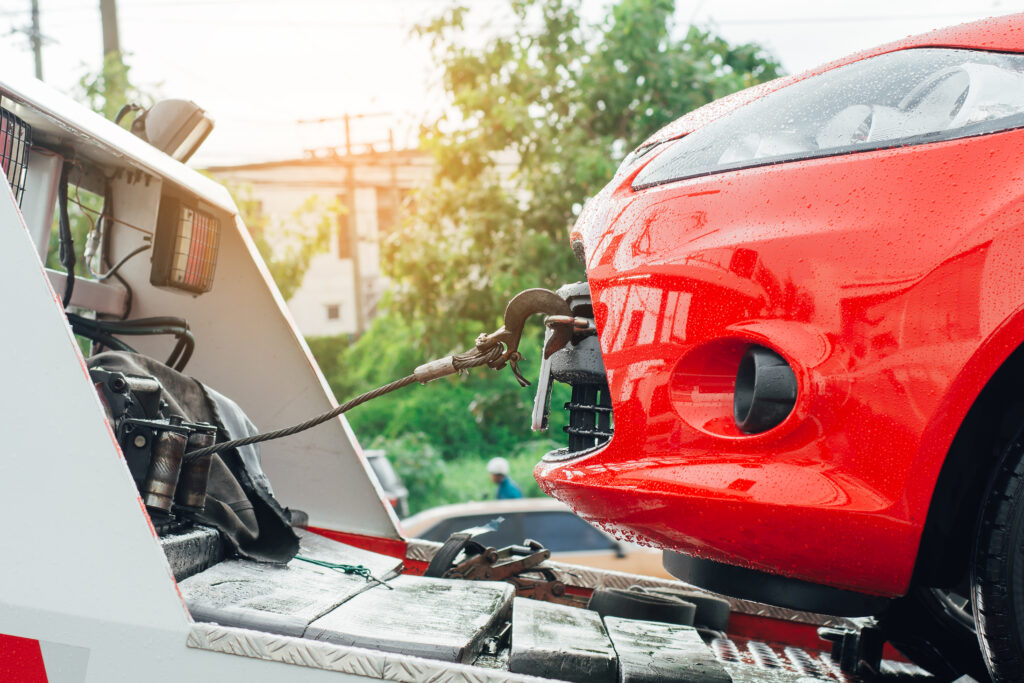
If none of the above works, stay safe inside the car with hazard lights on, then call a tow truck. A pro can diagnose issues like a bad starter or alternator quickly.
A no-start doesn’t have to ruin your day. For other roadside troubles, see “Dead Battery? When to Jumpstart vs. Call for Help” and “When Should You Call a Tow Truck? 7 Clear Signs.”